ChatGPT vs Google: How AI Is Transforming the Way We Search
The way we search for information online has evolved rapidly over the past decade. For years, Google has been the go-to platform for finding answers, exploring websites, and discovering products. Today, AI-powered tools like ChatGPT are reshaping the digital landscape, providing users with instant answers and conversational experiences rather than just a list of links.
This transformation is not about AI replacing Google; rather, it’s about changing how people interact with information. Understanding the differences between traditional search engines and AI search tools is essential for anyone who wants to navigate the digital world efficiently, whether you are a casual user, a business owner, or a content creator.
How Traditional Search Engines Work (Google-Style Search)
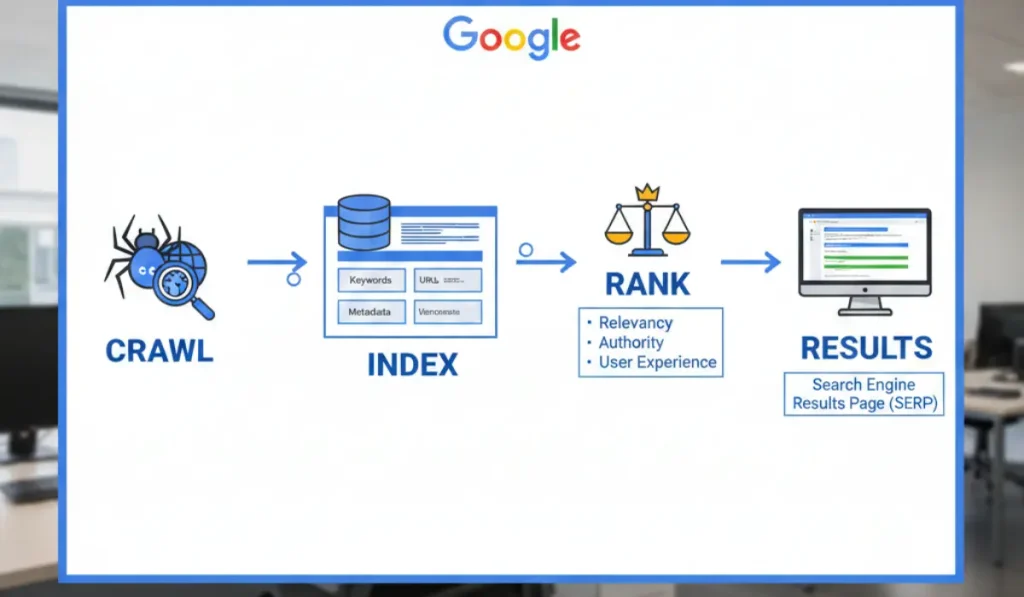
Traditional search engines like Google work by crawling billions of web pages, indexing their content, and ranking results based on relevance, authority, and user intent. When a user enters a query:
- Keyword Analysis: Google identifies the words in your query and interprets the intent.
- Crawling and Indexing: Bots scan websites and store relevant content in Google’s index.
- Ranking and SERP Display: Results are ranked based on relevance, page authority, user engagement, and search intent.
- Ads and Sponsored Content: Many SERPs include paid content, from sponsored articles to product ads.
This method works exceptionally well for exploration, research, comparison shopping, and real-time information, but it requires users to click multiple links and sift through content before finding the exact answer they need.
What AI Search and AI Assistants Are
AI search tools, such as ChatGPT and other conversational AI assistants, operate differently. Instead of providing a list of links, AI generates direct answers by analyzing patterns in massive datasets and using natural language understanding.
Key Features of AI Search:
- Direct Summarized Answers: AI distills information from multiple sources into a concise response.
- Context Awareness: It remembers prior questions in a session to provide more accurate and relevant responses.
- Conversational Interface: Users can ask follow-up questions in natural language.
- Task Assistance: AI can draft emails, generate code snippets, write essays, and more.
Unlike traditional search engines, AI is about asking questions and receiving answers, not about navigating through multiple pages.

Key Differences Between ChatGPT and Google Search
Understanding how ChatGPT differs from Google helps users leverage the strengths of both platforms.
Search Results vs Direct Answers
Google provides multiple links to different sources. ChatGPT consolidates information and provides a single, coherent answer, saving users time but reducing exposure to diverse perspectives.
Contextual Understanding
AI can follow the flow of a conversation, remember earlier queries, and refine responses. Traditional search engines do not maintain context between searches.
Speed and User Experience
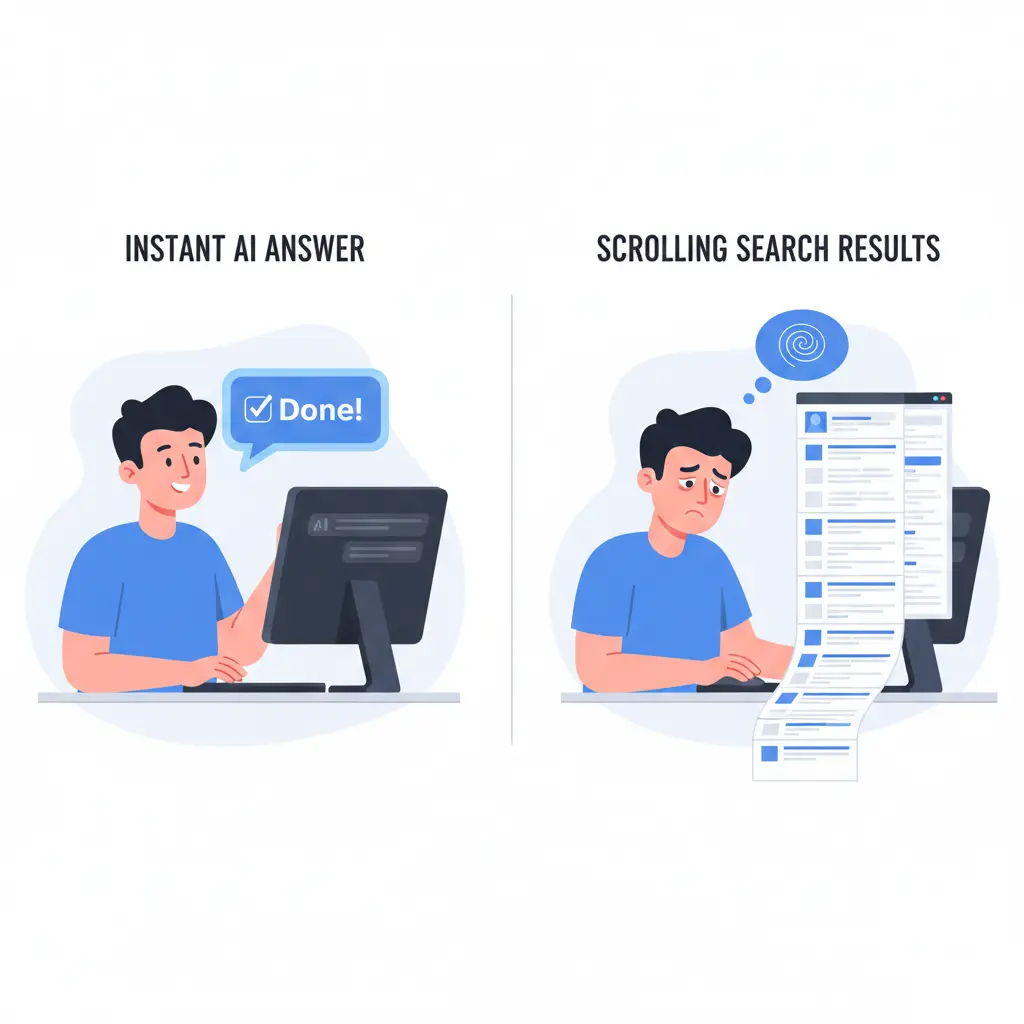
AI reduces “search fatigue.” Instead of opening multiple tabs and reading through dozens of articles, users get instant, readable summaries.
Ads and Monetization
Google’s SERPs often include sponsored ads, which can sometimes interfere with user experience. AI tools, on the other hand, provide ad-free, distraction-free answers.
Why People Are Moving from Links to Answers
With the explosion of online content, users increasingly prefer speed, clarity, and efficiency over browsing through multiple websites.
Reasons include:
- Instant Summarized Information: AI saves time by summarizing content from multiple sources.
- Better Understanding of Complex Topics: AI can explain technical subjects in simple language.
- Less Cognitive Load: Users don’t need to process dozens of articles to find the answer.
- Interactive Learning: Users can ask follow-up questions to deepen understanding.
For example, students can use AI to understand historical events quickly, professionals can get concise business insights, and hobbyists can find tutorials in a fraction of the time it would take with traditional search.
Real-Life Examples of AI Search vs Google Search
Example 1: Learning a Technical Concept
A user wants to understand machine learning algorithms. ChatGPT provides a step-by-step explanation in one page, while Google returns multiple articles, videos, and tutorials.
Example 2: Writing Assistance
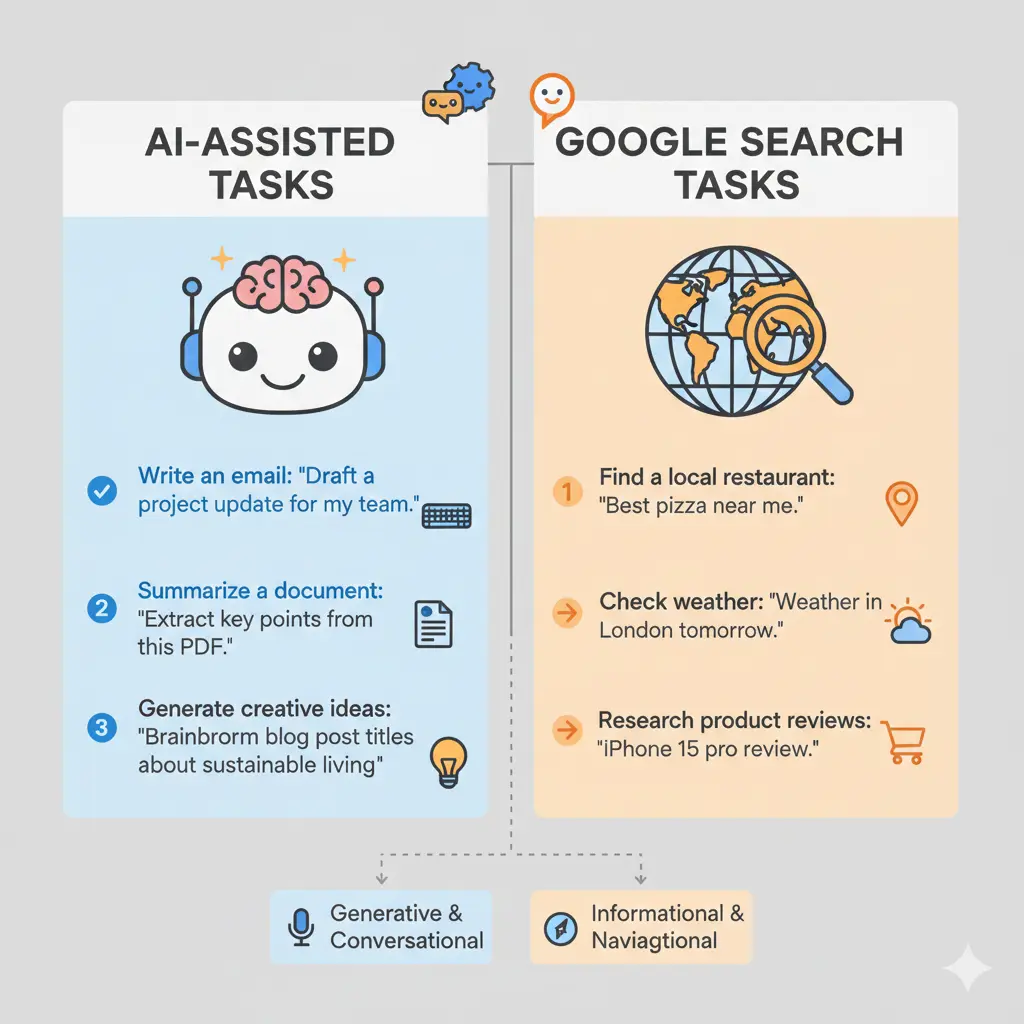
ChatGPT can draft content outlines, emails, or reports instantly. Google can guide you to reference articles or tools but does not generate original content.
Example 3: Quick Explanations
Need to compare two products? ChatGPT summarizes pros and cons, while Google gives links to product reviews, requiring deeper reading.
Where Google Still Reigns Supreme
Despite AI’s growing popularity, Google remains essential in certain areas.
Real-Time and Breaking Information
Google indexes content in real-time. For news, stock prices, and live events, Google is more reliable.
Verifiable and Authoritative Sources
Google allows users to cross-check multiple sources to ensure accuracy.
Visual and Interactive Content
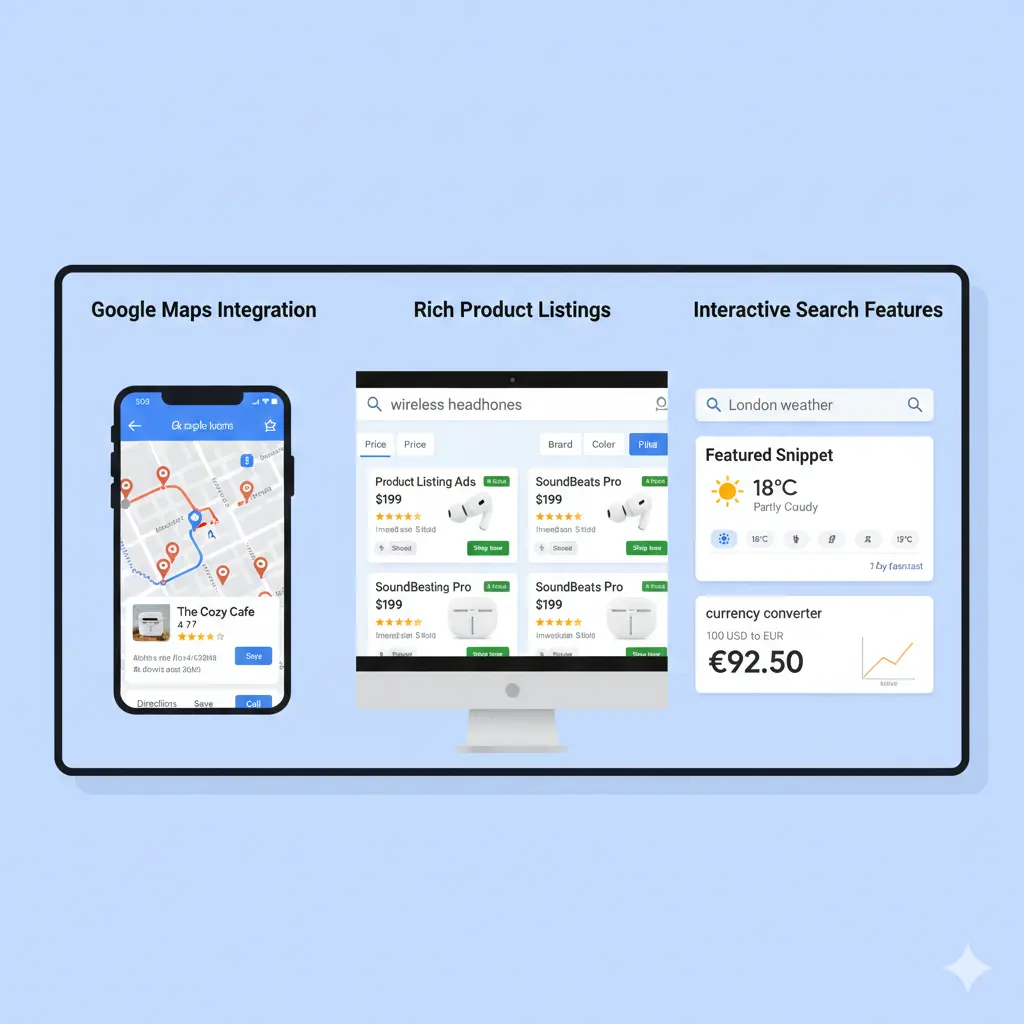
Google excels in images, maps, videos, charts, and interactive guides—areas where AI is limited.
E-Commerce and Local Search
For product comparisons, price checks, local business information, and reviews, Google provides a richer and more trustworthy experience.
Can You Really Trust AI Search Results?
While AI is powerful, it is not infallible.
AI Can Still Make Mistakes
AI may generate incorrect or outdated information because it relies on training data rather than live sources.
Human Skepticism Is Essential
Critical thinking is necessary. Always question AI-generated responses, especially for medical, financial, or legal queries.
Check Your Sources
Use AI as a starting point, then verify important facts with traditional search or authoritative sources.
Risks and Limitations of AI Search
- Accuracy Concerns: AI may produce confident but incorrect information.
- Limited Real-Time Updates: AI models often lack live web access.
- Bias in Training Data: Responses may reflect biases present in the datasets.
- Over-Reliance Risk: Excessive reliance can reduce critical thinking skills.
Being aware of these limitations allows users to maximize benefits while minimizing risks.
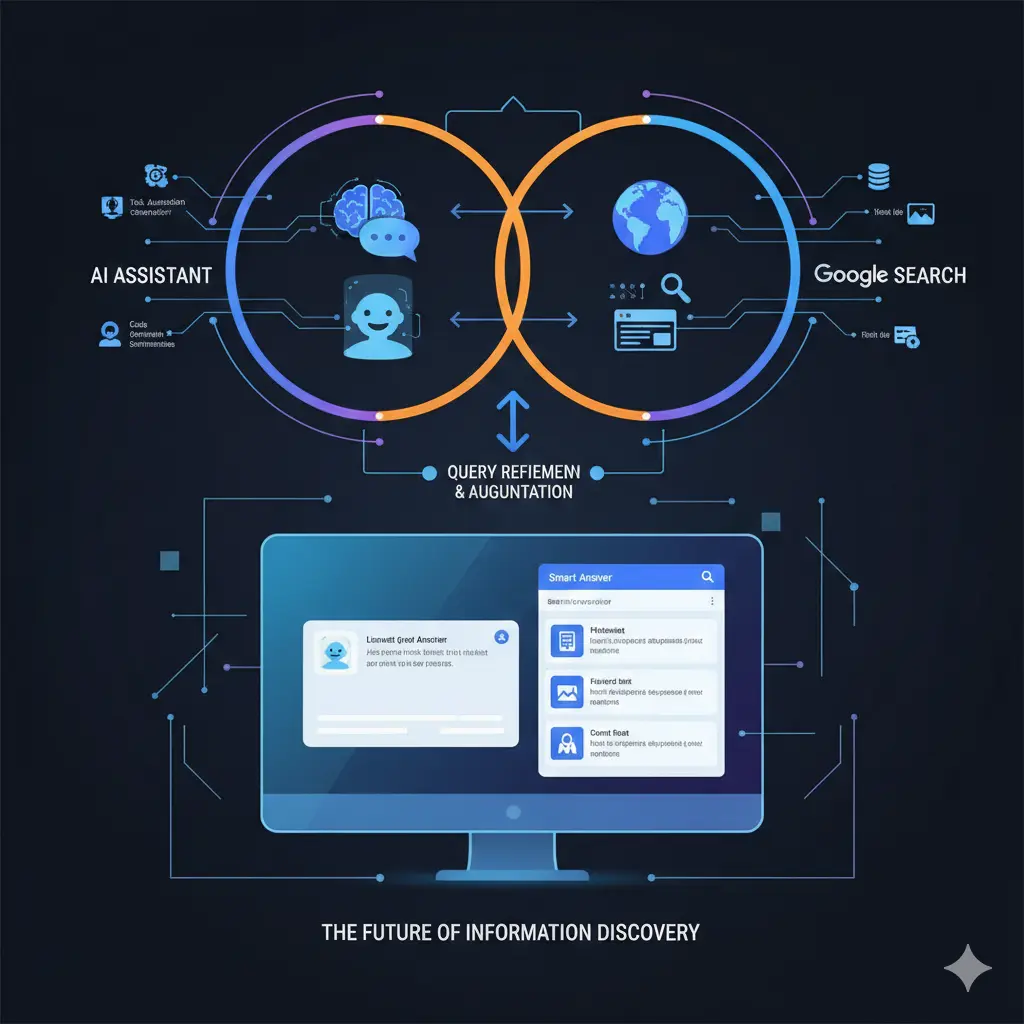
The Future of Search: AI and Search Engines Working Together
The future of search is not about AI replacing Google but integration and enhancement.
- AI-Powered Summaries in SERPs: Google is integrating AI to provide concise answers alongside links.
- Conversational Search: Users can interact with results like a chat.
- Hybrid Search Models: Combining AI-generated summaries with traditional links provides the best of both worlds.
This evolution emphasizes convenience, clarity, and accessibility without sacrificing depth and verification.
What This Shift Means for Businesses and Digital Marketing
Businesses and content creators must adapt to the AI-driven search landscape.
- Content Clarity and Structure: Clear, concise content is more likely to be summarized by AI.
- Authority and Expertise: Establishing trust is crucial; AI prioritizes high-quality, verified information.
- User-Centric Approach: Focus on solving user problems, not just keywords.
- SEO Evolution: Beyond keywords, AI rewards usefulness, relevance, and readability.
How Readers Can Use AI Search Smartly
- Combine AI and Google: Use AI for summaries and Google for verification.
- Fact-Check Important Information: Especially in technical, health, or financial topics.
- Use AI for Understanding, Not Final Authority: Think of AI as a guide.
- Best Use Cases: Learning, research, writing, brainstorming, problem-solving.
Smart use of both AI and traditional search ensures faster, safer, and more accurate results.
Conclusion: ChatGPT vs Google — Not a Battle, but a Shift
ChatGPT and Google represent two different approaches to finding information online. AI offers speed, clarity, and convenience, while Google provides depth, verification, and real-time information.
The future of search is not about choosing one over the other. Instead, users who understand when to use AI and when to rely on traditional search will gain the greatest advantage. As technology evolves, search will become more intelligent, conversational, and user-focused than ever before.